
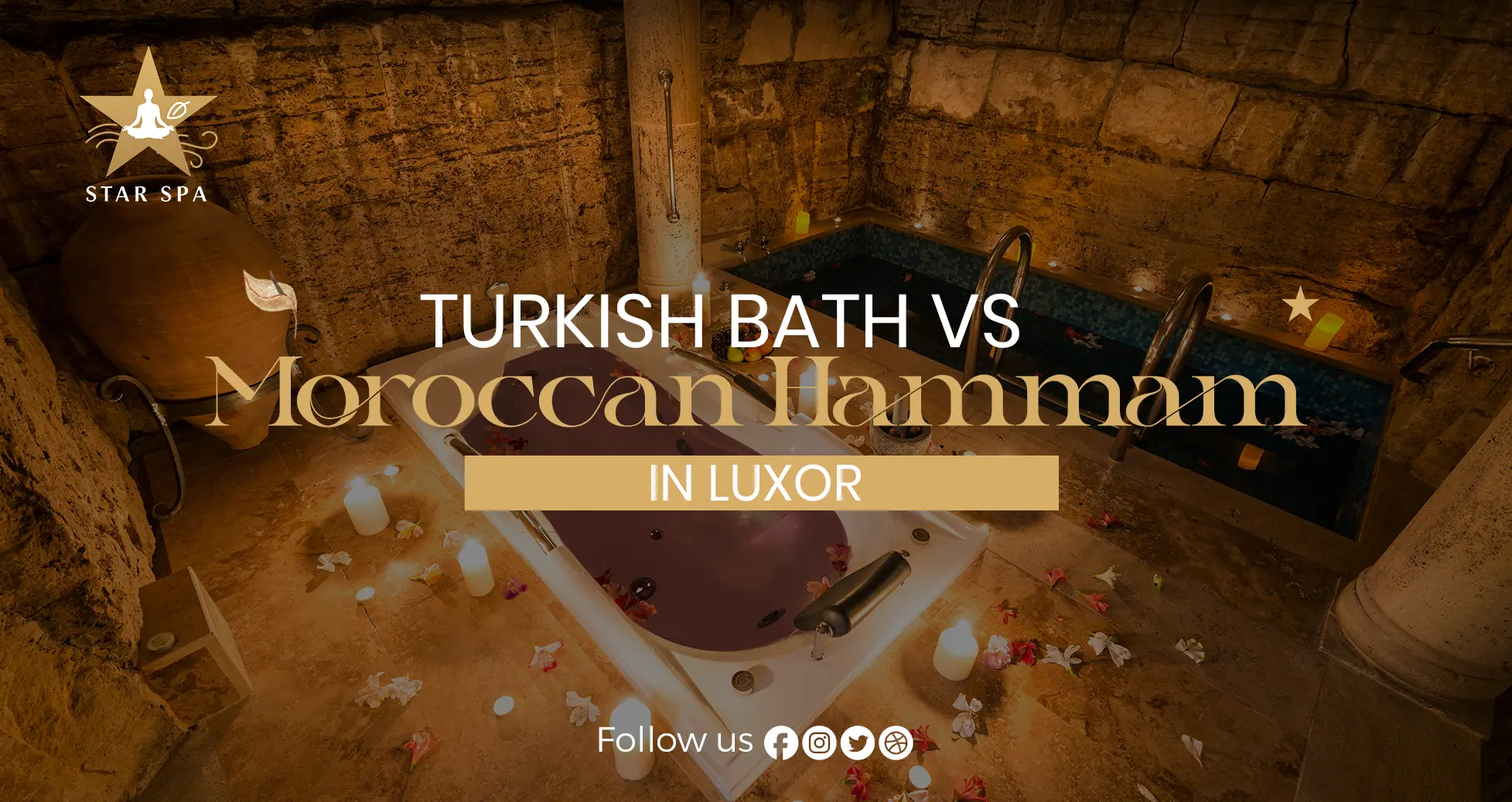
Turkey Bath vs Moroccan Hammam Luxor
Choosing between a Turkish Bath and a Moroccan Hammam in Luxor can be difficult for travelers who want the right wellness ritual during their stay. Both treatments focus on cleansing, heat, relaxation, and skin renewal, but they come from different traditions and create different results on the body. That is why many visitors compare Turkish Bath vs Moroccan Hammam before booking a session.
In practical terms, the choice depends on what you want most: a steam-based cleansing ritual, a deep exfoliating North African experience, or a more elevated royal-style hammam. Travelers usually want to know which ritual feels more authentic, which one gives better skin results, and which hammam is better for a first visit. This guide explains the main differences clearly so you can choose the right experience with confidence.
Origins Of Each Ritual
The difference between the two rituals starts with their origins, because the history behind each treatment shapes the entire experience. The Turkish Bath comes from Ottoman bathing traditions that focused on steam, purification, relaxation, and social ritual. It was designed as a cleansing and wellness space where heat and water helped the body release tension gradually.
The Moroccan Hammam comes from North African traditions and is more closely associated with deep cleansing using black soap, exfoliating gloves, and layered skin renewal. While both rituals use heat and moisture, the main difference begins here: Turkish Bath often feels more steam-oriented and flowing, while Moroccan Hammam feels more product-based and exfoliation-focused.
This background also helps explain why travelers compare Hammam Sultan with Moroccan Hammam when looking for premium treatments. The origin of each ritual influences the ingredients used, the pacing of the service, and the final feeling on the skin. If you are unsure which hammam to choose in Luxor, understanding the roots of each treatment is the best place to begin.
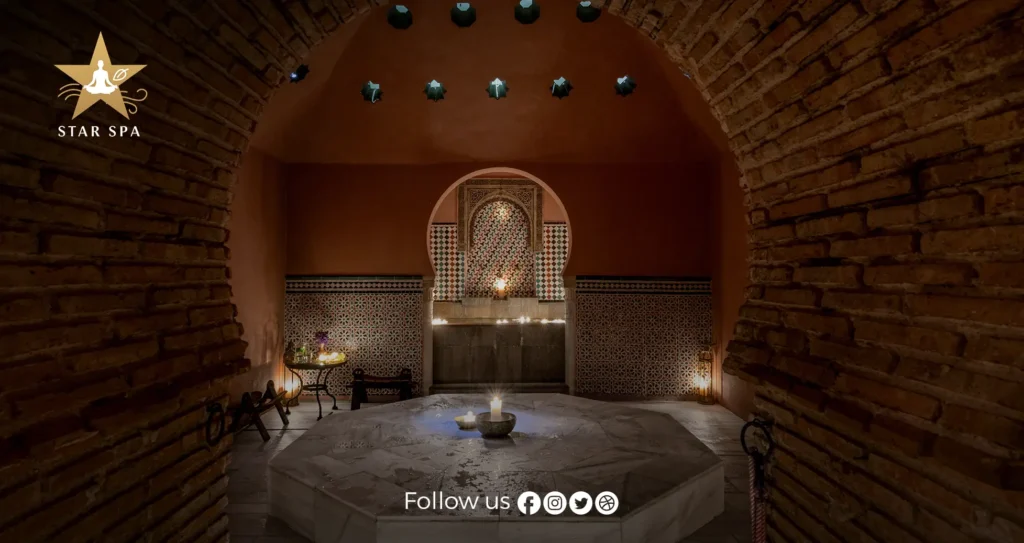
Turkish Bath – The Classic Experience
In this comparison, the Turkish Bath is usually seen as the classic steam-cleansing experience. The session typically begins with heat exposure that opens the pores, softens the skin, and helps the muscles relax before the cleansing ritual continues. This makes the Turkish Bath especially appealing for guests who want a gentle but effective full-body refresh after walking, dust, and dry weather.
A traditional Turkish Bath usually includes steam, water-based cleansing, and in many cases a foam or soap ritual that feels smooth and luxurious on the skin. The goal is not only to remove surface impurities but also to leave the body feeling lighter, calmer, and more relaxed. For travelers planning to combine treatments, understanding hammam before massage in Luxor can also help you choose the right treatment order.
Compared with a Moroccan Hammam, the Turkish Bath usually feels less aggressive on the skin and more focused on warmth, softness, and general body relaxation. It may be the better choice when the body feels tired and heavy but the skin does not necessarily need strong exfoliation.
Moroccan Hammam – The North African Tradition
The Moroccan Hammam is usually the more exfoliation-focused and skin-transforming ritual. It often includes black soap, steam, and a strong exfoliating glove process that removes dead skin cells very effectively. This makes it especially attractive to travelers whose skin feels rough, dull, or congested after outdoor activities in Luxor.
What makes Moroccan Hammam unique is its layered cleansing style. The body is softened first, then prepared with traditional products and exfoliated in a way that produces a more visible smoothing effect. This is one of the biggest differences between the two treatments. Moroccan Hammam is often chosen by guests who want not just relaxation but stronger skin renewal.
This is also why Moroccan Hammam is often the more practical choice for guests focused on exfoliation and visible freshness. If your skin feels dry, uneven, or overloaded by travel, it may be the stronger option. Travelers mainly interested in exfoliation can also compare a body scrub vs hammam in Luxor before deciding.
Hammam Sultan – The Royal Version
In the wider comparison, Hammam Sultan is a more premium, royal-style hammam experience. It combines the cleansing and heat elements of a traditional hammam with upgraded products, a more luxurious sequence, and additional relaxation steps that make the treatment feel more ceremonial.
When guests compare Hammam Sultan with Moroccan Hammam, they are usually comparing the level of luxury as much as the treatment style. Moroccan Hammam focuses heavily on traditional North African exfoliation and black soap rituals, while Hammam Sultan offers a broader and more elevated experience. The difference often comes down to exfoliation intensity versus a more luxurious overall atmosphere.
If you want a more indulgent and premium-feeling experience rather than the most traditional exfoliation-focused ritual, Hammam Sultan may be the better choice. Travelers looking for a complete wellness day can also explore the spa packages available in Luxor to compare hammam with broader treatment combinations.
Key Differences
The real difference between Turkish Bath and Moroccan Hammam comes down to the small details that change the feel and result of the ritual. While both treatments use heat, cleansing, and body renewal, the method and outcome are not identical.
The easiest way to choose is to compare ingredients, technique, and skin outcome. These three areas clearly separate a classic Turkish Bath, a stronger Moroccan Hammam, and more premium variations such as Hammam Sultan.
Ingredients
Ingredients are one of the clearest differences. Turkish Bath often relies more on steam, water, foam, and gentle cleansing elements. Moroccan Hammam is better known for black soap and exfoliating gloves that work more deeply on the skin surface.
Hammam Sultan may add premium oils, richer cleansing products, or more luxurious finishing touches. If ingredients and treatment style matter most to you, this part of the comparison can make the decision much easier.
Technique
The technique used in each hammam changes how the body responds during the session. Turkish Bath usually feels more flowing, warm, and steam-led, while Moroccan Hammam often feels more deliberate and scrub-focused.
That is the heart of the difference for many travelers. One feels more like a steaming and cleansing ritual, while the other feels more like a deep exfoliation treatment with a traditional North African structure.
Skin Outcome
If you are choosing based on visible results, the comparison becomes very practical. Turkish Bath usually leaves the skin softer, cleaner, and more relaxed overall. Moroccan Hammam usually leaves the skin smoother, brighter, and more deeply exfoliated.
Guests looking for broader cleansing and renewal can also explore detox treatments in Luxor. Ultimately, the right hammam depends on whether you want gentle renewal or stronger resurfacing.
Quick Comparison
In simple terms, Turkish Bath is usually better for steam-based relaxation, smooth cleansing, and a softer overall ritual. Moroccan Hammam is usually better for deeper exfoliation, black soap cleansing, and stronger visible skin renewal.
Hammam Sultan often feels more premium and indulgent, while Moroccan Hammam feels more traditional and exfoliation-driven. The choice is therefore about treatment style and atmosphere, not only about ingredients.
If you are still unsure which hammam to choose in Luxor, use this simple rule: choose Turkish Bath for softer relaxation, Moroccan Hammam for deeper scrubbing, and Hammam Sultan when you want a more luxurious hammam experience.
Book Your Hammam
Choosing between a Turkish Bath and a Moroccan Hammam in Luxor can affect how relaxed and refreshed you feel during the rest of your trip. The right experience depends on what your body needs: gentle warmth and relaxation, deep exfoliation, or a luxurious royal-style hammam ritual.
Instead of choosing based only on the treatment name, think about your skin goals and comfort level. Whether you prefer the classic Turkish style, the deep-cleansing Moroccan tradition, or the premium feel of Hammam Sultan, the right hammam can become one of the most memorable wellness experiences of your stay.
Contact Star Spa to book your hammam and ask which option best matches your skin, schedule, and preferred treatment intensity.
FAQs
Which Is Better In Luxor For First-Time Visitors: Turkish Bath Or Moroccan Hammam?
Turkish Bath is usually easier for first-time guests, while Moroccan Hammam is stronger for exfoliation.
What Is The Difference Between Hammam Sultan And Moroccan Hammam?
Hammam Sultan feels more luxurious and premium, while Moroccan Hammam feels more traditional and scrub-focused.
Which Hammam Should I Choose In Luxor If My Skin Feels Rough And Dull?
Moroccan Hammam is usually the better choice for stronger exfoliation and visible skin renewal.